
23 September 2026
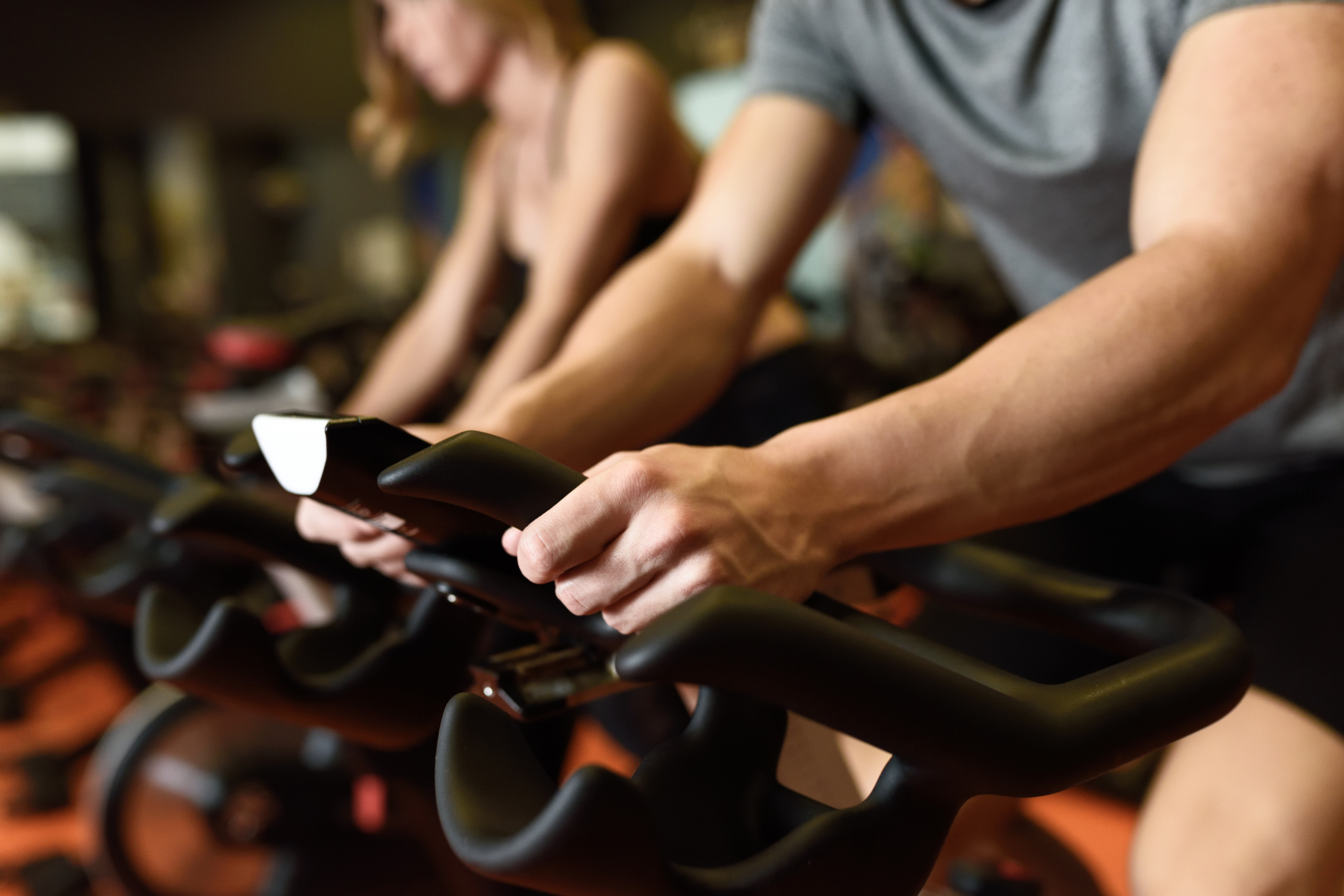
The lights are dimmed, the music is loud, the instructor is motivating you, and you keep telling yourself “just a little longer,” while your legs seem to have a completely different opinion. If you’ve ever been to a spinning class, you probably know this feeling all too well.
Spinning is one of those group workouts that combines serious physical effort with an atmosphere that makes you forget all about work problems and everyday chores waiting for you at home. But behind the music and good vibes is an effective cardio workout that can be a great part of a balanced training routine.
Although stationary bikes had been around long before, the modern format of indoor group cycling gained popularity in the 1990s. The idea was simple – to bring the feeling and intensity of cycling indoors, while adding music, an instructor, and the energy of a group workout.
Today, spinning is popular in fitness clubs around the world, and one of the reasons is that it can easily be adapted to different fitness levels.
We know what you’re thinking, and no – it’s not just about pedaling for 45 minutes.
During the workout, the instructor changes the pace and intensity, while different parts of the class can simulate sprints, climbs, and easier recovery periods when you can catch your breath.
Don’t worry, you don’t have to be a superhuman! The bike’s resistance can be adjusted, allowing you to adapt the intensity to your own fitness level. This makes spinning suitable for beginners too – you don’t need to use the same resistance as the person on the bike next to you.
And yes, during your first class, you’ll probably wonder why everyone else looks so calm. Give yourself some time and a few more workouts.
First and foremost – cardiorespiratory endurance. During the workout, your heart and lungs work actively to deliver oxygen to the working muscles. Regular spinning sessions are associated with improvements in aerobic capacity.
The lower body does most of the hard work. Pedaling primarily engages the thighs, glutes, and calf muscles, with the level of effort depending on the resistance, pace, and structure of the workout.
We know you keep an eye on your daily steps and want to stay active. Well, spinning is one way to balance out those days when you barely have time to step away from your computer, as it can help you accumulate a significant amount of aerobic activity throughout the week.
There’s another advantage – spinning is a low-impact workout. Unlike running and exercises involving jumps, cycling doesn’t involve repeated landings on a hard surface. However, this doesn’t mean it’s suitable for every physical condition or injury – in such cases, we recommend consulting a specialist before attending this type of group class.
It can be part of the process, but we won’t lie – there’s no magic involved.
Spinning increases energy expenditure and may contribute to improvements in body composition. Whether it leads to weight loss, however, depends on your overall energy balance, nutrition, other physical activity, and individual factors.
So instead of asking, “How many calories will I burn in one workout?”, a better question is “Can I turn this into an activity I do regularly?”
And when you genuinely enjoy your workout, the answer is much more likely to be “yes.”
There is no universal number of workouts that works for everyone.
Frequency depends on your fitness level, the intensity of the classes, your other workouts during the week, and the amount of time your body needs to recover.
For someone who is just getting started, 2 spinning sessions per week can be a perfectly reasonable starting point. From there, the frequency can gradually change depending on your goals and recovery.
The World Health Organization recommends that adults get a total of 150–300 minutes of moderate-intensity aerobic physical activity or 75–150 minutes of vigorous-intensity aerobic physical activity per week, along with muscle-strengthening activities for all major muscle groups at least two days per week.
Read that last part again, because it’s important. 🙂
As much as we may love a particular workout, variety is usually the better approach.
Spinning is a great way to develop cardio endurance and gives your lower body a serious workout, but it doesn’t provide comprehensive strength training for all major muscle groups.
That’s why it’s a good idea to combine it with strength training that targets your back, chest, shoulders, arms, and core. And that doesn’t necessarily mean following a complicated program or spending five days a week at the gym.
Here’s what an example week could look like:
Monday: Spinning
Tuesday: Strength training
Wednesday: Rest or light activity
Thursday: Spinning
Saturday: Strength training
This is just an example, not a one-size-fits-all program – the right schedule depends on your training experience, goals, workout intensity, and recovery.
If you like the idea of alternating between group classes and independent workouts, from September 15 to October 15 you can take advantage of our special price for the annual PRO Multiclub membership.
During the promotion, the membership is available for €36 per month instead of the standard €40.90 and includes access to the gym and group classes at all Next Level clubs in Bulgaria.
That means you don’t have to choose between spinning and the gym – you can combine the two depending on your schedule, mood, and goals.
If everything you’ve read has made you want to get on a bike, you can join us at Next Level The Mall, as well as in our brand-new spinning studio at Next Level Nadezhda.
And if you’ve never tried spinning before – even better. Start at your own pace, don’t worry about what the person on the bike next to you is doing, and let the instructor guide you.
Because the best workout isn’t always the one that looks most impressive on paper.
Sometimes, it’s simply the one you can’t wait to come back to.